


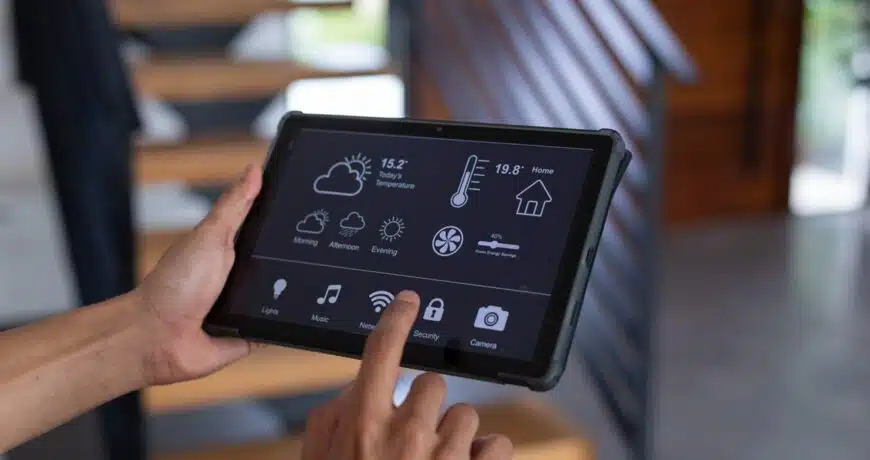
Creating an Energy-Efficient Smart Home: Tips and Technologies for Greener Living Leave a comment
The world is witnessing a rapid shift toward sustainable living practices, with an increasing number of homeowners actively seeking solutions that not only provide comfort and convenience but also contribute to energy conservation and a greener Planet Earth. Smart home automation is uniquely positioned to fulfil this endeavour by offering a wide array of innovative solutions designed to enhance a home’s overall energy efficiency, ensuring a more responsible, environmentally-conscious lifestyle.
In this comprehensive guide, we explore numerous strategies and technologies that can be integrated to create an energy-efficient smart home. By delving into a variety of home automation solutions, we aim to empower homeowners with the knowledge required to make informed decisions regarding energy conservation, ultimately leading to reduced energy consumption, lower utility bills, and a positive impact on the environment.
Join us as we traverse the fascinating realm of energy-efficient smart home technologies, uncovering practical tips and innovative solutions that can be tailored to fit any home’s unique requirements. By implementing smart home automation systems designed to optimise energy usage while maintaining a comfortable living environment, you can take an active role in preserving our planet’s natural resources and contribute to a more sustainable future for generations to come.
From intelligent heating and cooling systems to advanced lighting controls and eco-friendly appliances, this guide offers actionable insights and guidance to help you create a smart home that not only simplifies day-to-day living but also minimises your carbon footprint.
Smart Heating and Cooling Solutions for Energy Efficiency
Proactive temperature management in your home is vital for reducing energy waste and driving down utility costs:
1. Smart Thermostats: Equip your home with a smart thermostat that learns your routine, automatically setting temperature preferences to ensure optimal comfort and energy conservation.
2. Zoned Heating and Cooling: Implement zoned temperature control systems, allowing you to independently heat or cool specific rooms based on occupancy and usage.
3. Automated Blinds and Shades: Automate window blinds and shades to optimally use or block sunlight, reducing the need for artificial lighting or additional climate control.
Smart heating and cooling technologies can dramatically influence your home’s energy consumption while maintaining a comfortable living environment.
Energy-Efficient Lighting Solutions
Transform the way you illuminate your home by adopting lighting solutions that reduce energy consumption and carbon emissions:
1. LED Lighting: Switch to energy-efficient LED light bulbs, which consume significantly less energy, last longer, and emit less heat than traditional incandescent or halogen bulbs.
2. Dimmers and Motion Sensors: Install dimmer switches and motion sensor-activated lighting to reduce energy usage in areas where constant light is unnecessary.
3. Smart Lighting System: Integrate smart lighting into your home, allowing for easy scheduling, remote control, and automation through a centralised system or voice commands.
Embracing energy-efficient lighting technologies and practices offers considerable cost savings and environmental benefits.
Harnessing the Power of Smart Appliances
Upgrade your daily routine with smart appliances designed for energy conservation:
1. Energy Star Appliances: Invest in appliances with an Energy Star rating, indicating their superior energy efficiency and environmental performance.
2. Smart Plugs: Use smart plugs or power strips to monitor energy consumption, schedule on/off times for electronics, and remotely control devices, limiting energy waste.
3. Load-Sensing Appliances: Opt for washing machines or dishwashers with load-sensing capabilities, automatically adjusting water and energy usage based on the size of the load.
Utilising smart appliances contributes to a greener home by refining daily activities and promoting conscious energy usage.
Exploring Alternative Energy Sources
Consider integrating renewable energy sources to supplement your home’s energy needs:
1. Solar Panels: Invest in rooftop solar panels that harness the sun’s energy, reducing your reliance on fossil fuels and slashing electricity bills.
2. Battery Storage: Pair your solar panels with battery storage technology, ensuring energy availability even during periods of grid instability or extended power outages.
3. Smart Grid Connectivity: Integrate your smart home with the local power grid to optimise energy usage, reduce peak power demands, and facilitate load balancing.
Incorporating alternative energy sources elevates your smart home’s efficiency by reducing environmental impact and long-term energy costs.
Embrace a Sustainable Future with an Energy-Efficient Smart Home
Integrating energy-efficient smart home automation in Sydney empowers you to take an active role in combating climate change, conserving valuable resources, and cultivating a greener future for all. By implementing intelligent heating and cooling solutions, adopting energy-conscious lighting practices, utilising smart appliances, and exploring alternative energy sources, you can enjoy living in a home that not only offers unparalleled comfort, convenience, and connectivity but also stands as a testament to an eco-friendly, responsible lifestyle.
This guide serves as a roadmap to help navigate your journey toward energy efficiency and sustainable living. With a commitment to environmental consciousness and armed with the knowledge provided in this comprehensive resource, you can transform your home into a beacon of energy conservation and sustainable living practices that benefit both current and future generations.


